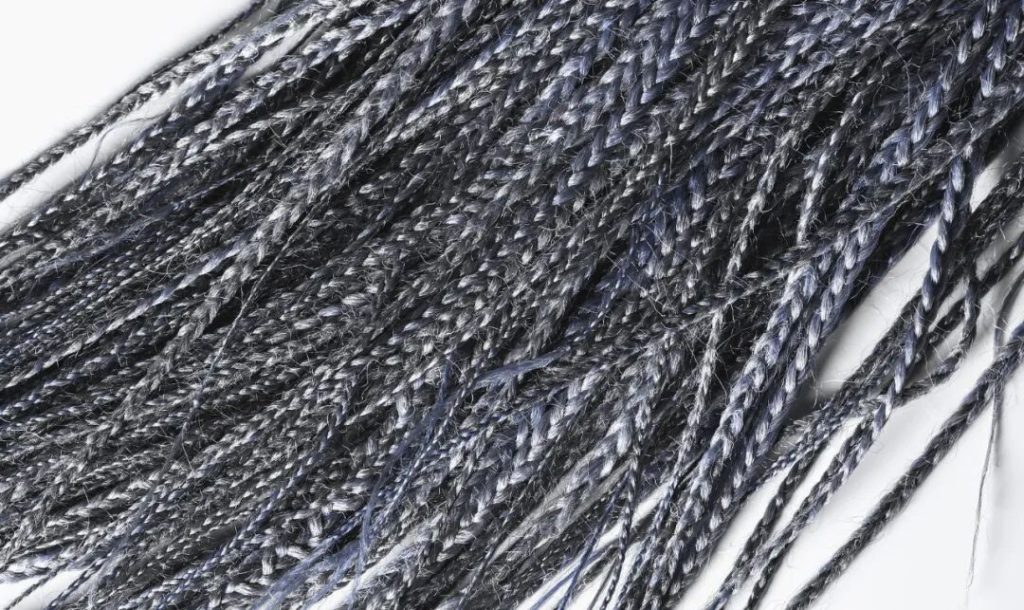
Due to the climate and other factors, people in Africa tend to have dry, slow-growing hair that curls as soon as it gets slightly longer. As a result, from seniors in their nineties to toddlers, a few stylish wigs have become an indispensable fashion accessory for them.
According to a report released by AfroUrembo, a Kenyan hair care marketplace, Kenyan women spend up to $500 annually on hair care—nearly 20% of the local per capita annual income—which underscores their passion for wigs.
1. Strong Import Demand
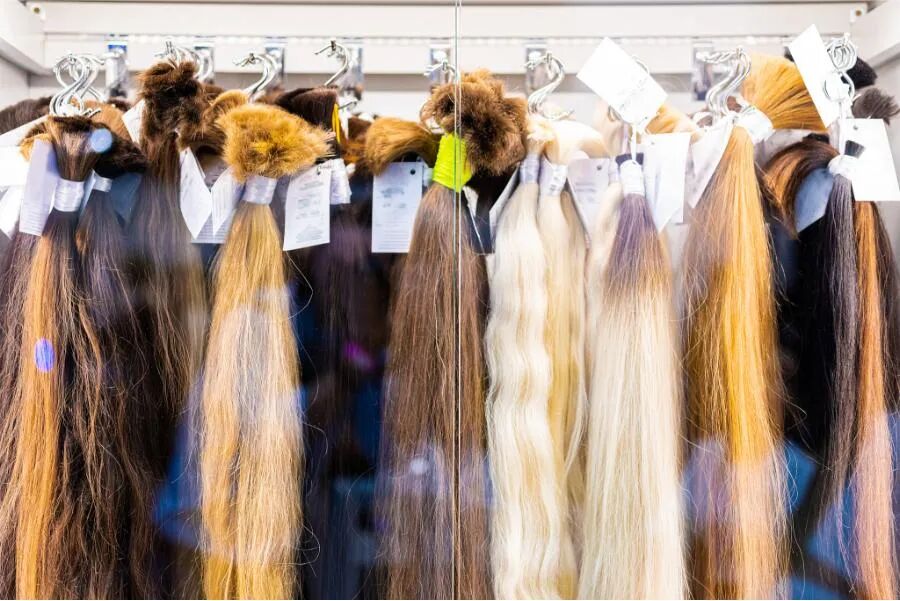
Wig consumption in Africa is rapidly catching up to that of the United States, with Benin, South Africa, and Nigeria ranking second, third, and fourth, respectively, with sales of $394 million, $376 million, and $328 million.
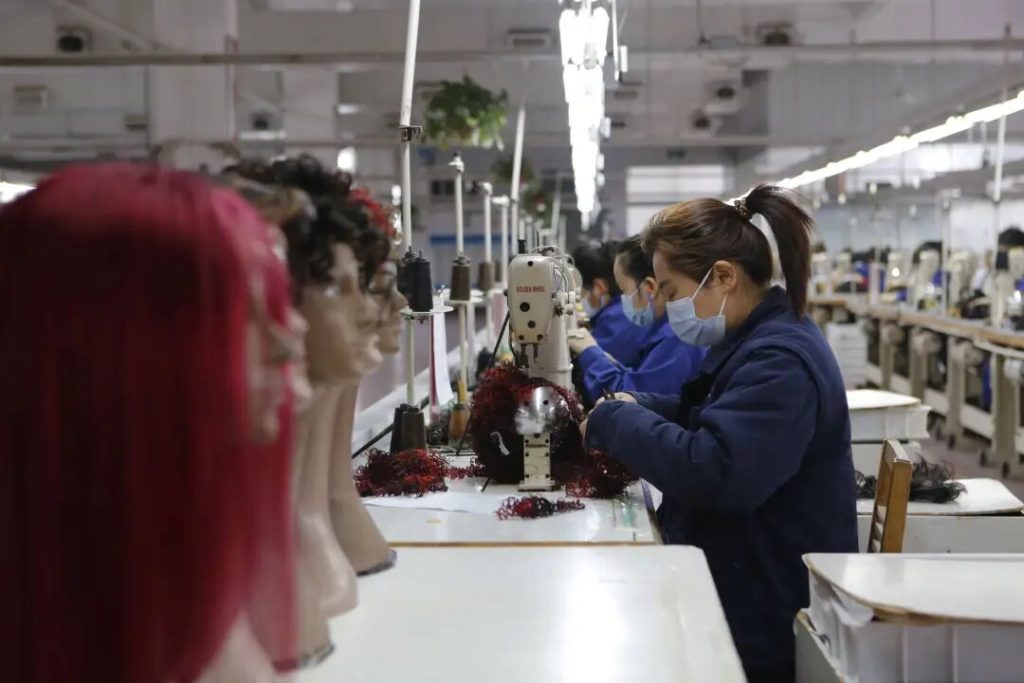
According to statistics from the General Administration of Customs of China, China exported $3.6 billion worth of wig products in 2018, accounting for approximately 80% of the global market share. As China’s “Wig Capital,” Xuchang has become the world’s largest wig production and export hub, boasting over 4,000 enterprises and more than 3,000 product varieties, and holding a dominant position in the global market. Xuchang’s wig industry not only accounts for 70% of global production but also supports employment for over 300,000 people, earning it the title of “World Capital of Wigs.”
2. Government Policy Support
As early as 2019, in response to the high demand for wig products in Africa, the China-Africa Wig City was officially inaugurated at the China-Africa Trade City in Johannesburg. This marketplace currently covers over 90% of the wig brands available in Africa.

Fu Ruling, Executive President of the China Hair Products Council, stated at the inauguration ceremony that while the annual growth rate of wig sales in the European and American markets is approximately 50%, the African market maintains a growth rate of 100% to 300%. “The rapid development of Africa’s hair product consumption economy has brought opportunities to enterprises in China’s hair product industry, and the establishment of the China Wig City is a microcosm of this trend.”
3. Diverse Consumer Preferences
With strong demand for wigs in Africa and government policy support, what specific market trends should Chinese companies target to capture the hearts of African women and quietly build their fortunes?

(1)Affordability Is Key
Due to factors such as income levels and purchasing power, consumers in African countries prefer synthetic hair products that are relatively inexpensive. Most wigs sold in Africa come from Asia and are primarily made from cheaper synthetic fibers.
(2)Variety in Styles Is Sought After
Due to physiological reasons, African hair typically grows slowly, so the use of wigs has become a traditional habit among African women who value beauty. Africans tend to be quite bold in their pursuit of hair styles.
(3)Braids Are the Favorite
When it comes to African hair artistry, the most striking hairstyles are undoubtedly braids, which are extremely popular across the continent. Because the process of creating these braids is complex, decorative braided wigs have become a favorite choice to meet the demand for diverse hairstyles.