

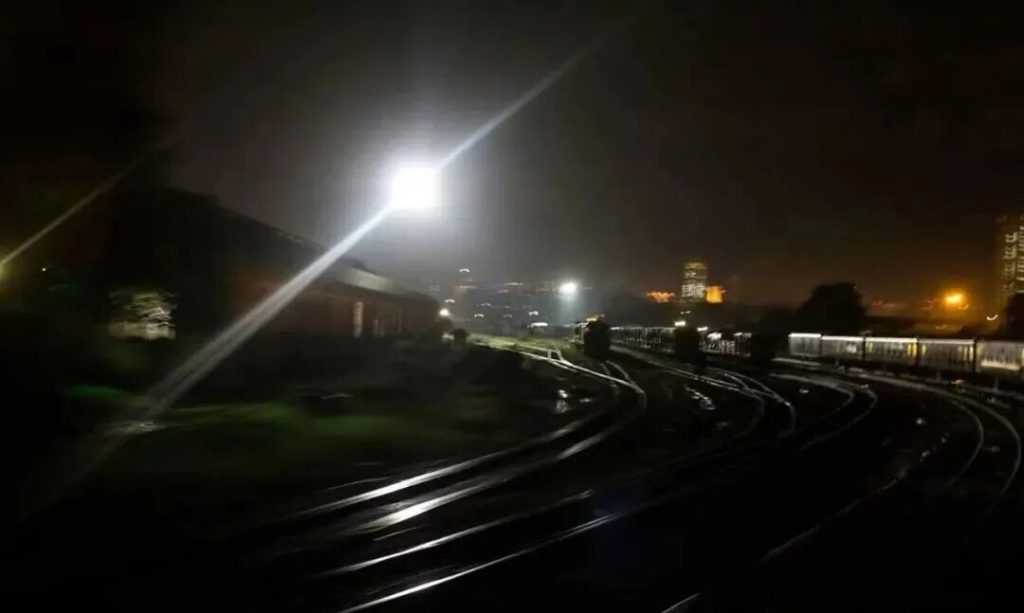
Since late 2024, millions of Kenyan households and businesses have been hit by frequent blackouts. President William Ruto has publicly acknowledged that power shortages have forced the government to impose “daily load-shedding”, with some areas facing rolling blackouts between 5 p.m. and 10 p.m. to keep the national grid stable.
By the end of January 2026, the peak load on Kenya’s power system had reached 2,439 MW, against a stable available capacity of 2,495 MW — a reserve margin of just 2.3%. That record was set on December 4, 2025.
- So where, exactly, is the system breaking down?
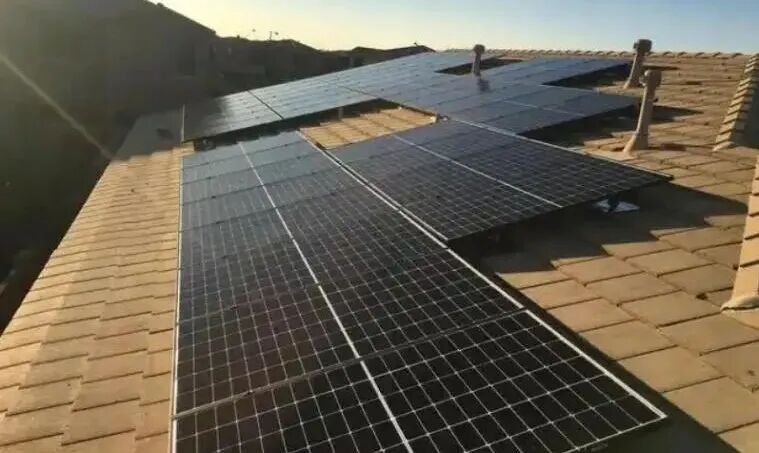
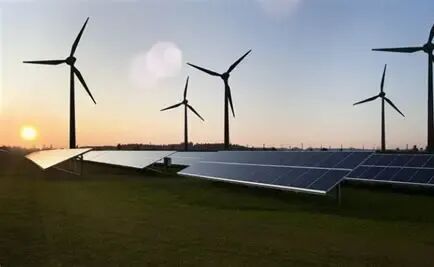
Kenya is rich in renewable energy. That mix demands a highly flexible grid. When solar and wind output dip, the system must quickly tap geothermal, hydro or thermal power. But with current reserves so thin, a single plant failure can force load-shedding. The real bottlenecks, however, are a lack of capital, insufficient technical capacity, and a dearth of sustained power-project planning.
- Why is demand outstripping supply?
First, new generation projects have stalled. In the past four years, Kenya has added almost no new grid-connected capacity. A government moratorium on new plant construction, imposed in 2021, was only lifted in December 2025. Second, electricity demand is surging. In February 2025, it recorded its biggest five‑year jump, driven largely by industrial and commercial users. Third, rising numbers of electric vehicles, new data centres, and a government push for universal access are all adding to the strain. Finally, more firms are building their own power plants — cheaper and more reliable than the grid, but also masking the severity of the national shortfall.
Kenya’s transmission company, Ketraco, notes in its 2025‑2044 plan that meeting future demand will require billions of dollars in investment. The current funding gap for transmission alone stands at about $4.38 billion.
Three directions for resolving Kenya’s power crunch.
First, resume new power plant projects. In the short term, the most effective measure is to add low-carbon generation capacity — for example, by rehabilitating geothermal plants or building natural gas-fired units.
Second, enhance grid flexibility. This includes deploying energy storage systems, developing natural gas generation, and expanding electricity imports to cope with fluctuations in renewable energy output.
Third, reduce system losses. Measures such as promoting smart meters, upgrading distribution lines, and cracking down on illegal connections can free up additional electricity capacity.
For Kenya, the rapid rise in power demand signals economic growth — but also a pressing challenge to which the power system must adapt quickly. If investment and reform keep pace, the crisis could yet become a catalyst for upgrading the country’s energy system.