

Not long ago, most Kenyans lived without a connection to the national grid. Around 80% of the population struggled to access reliable electricity, and diesel was the dominant source of power. Today, however, Kenya is gradually unlocking its solar market — and could well become a benchmark for renewable energy development in Africa.
I. The Potential of Kenya’s Solar Market
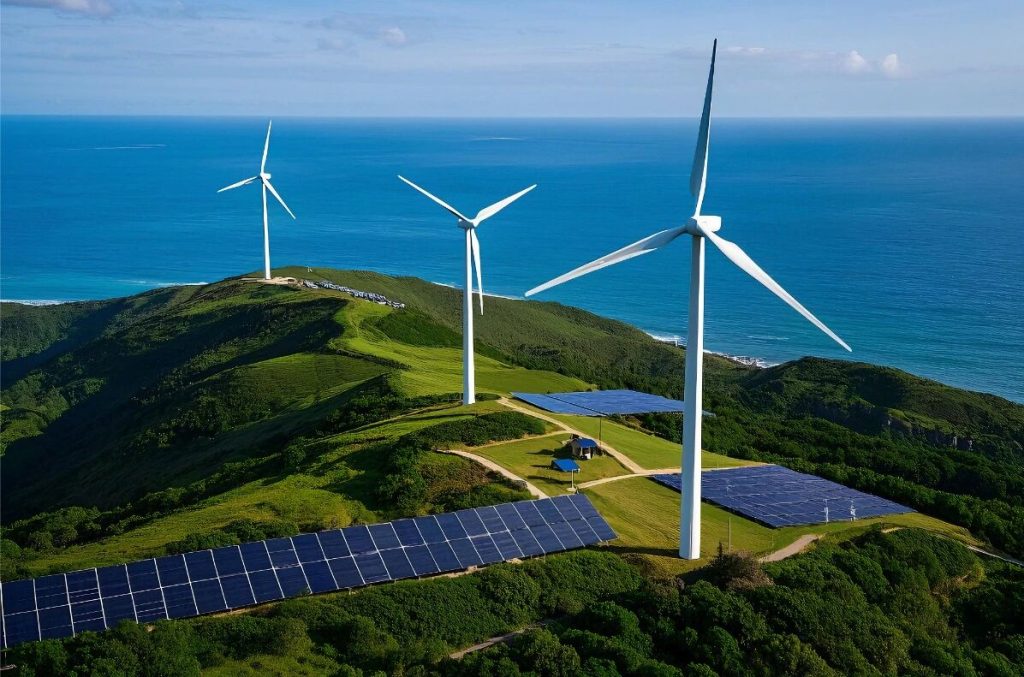
- Abundant solar resources. Lying astride the equator in East Africa, Kenya enjoys more than 300 sunny days a year. Average solar radiation is 5–6 kWh per square metre per day — far above the global average and exceeding that of solar powerhouses such as Germany.
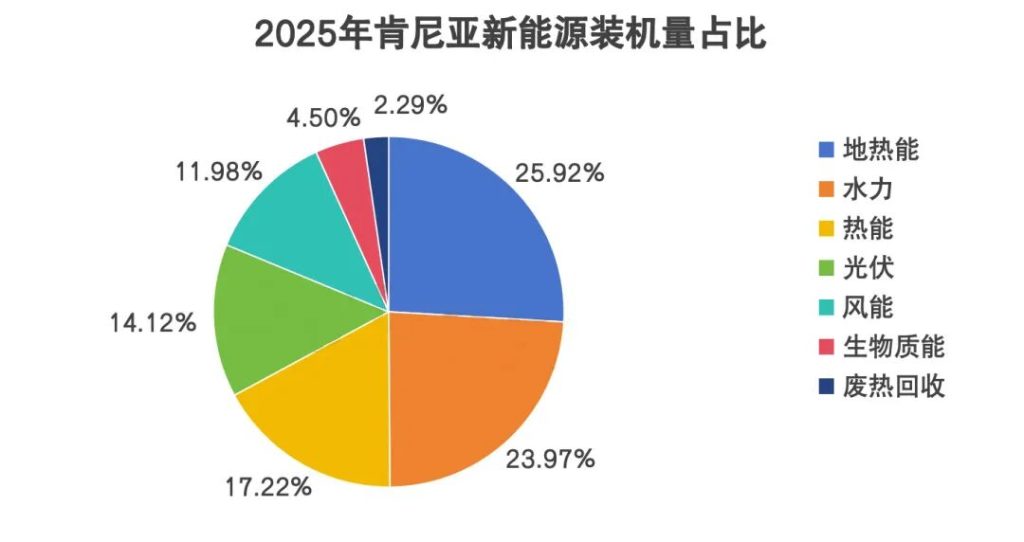
- Strong electricity demand. With urbanisation, data centres and electric vehicles accelerating, Kenya’s energy needs are climbing fast. Yet traditional power infrastructure covers less than 31% of the country, and less than 11% of rural areas.
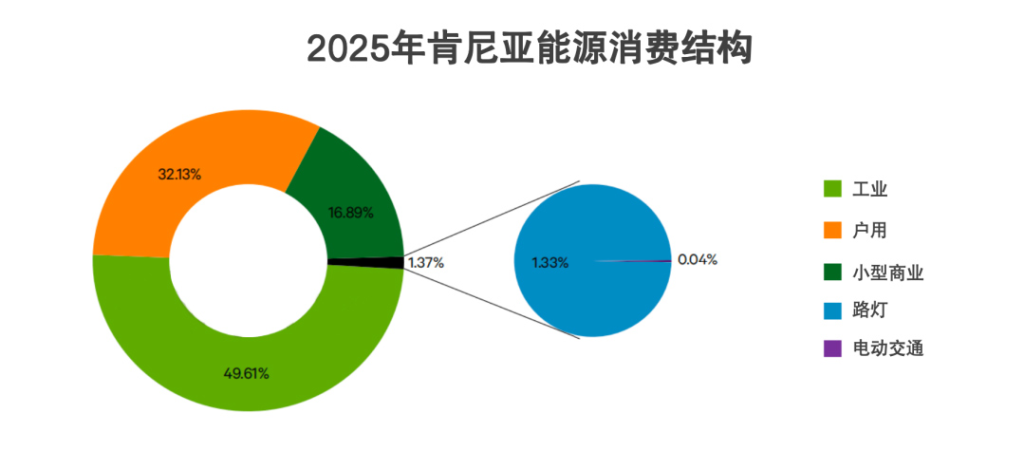
- Government support. Kenya is pushing for clean, affordable and sustainable energy, aiming to run on 100% clean power by 2030. Solar has been prioritised as a green energy source. Since January 2025, an “energy offset tax” requires new office buildings in the capital, Nairobi, to install integrated solar-plus-storage systems; otherwise, they face an additional 15% levy. That mandate has swiftly activated the solar-plus-storage industry.
- Clear market growth. According to the World Bank, Kenya is one of the world’s largest markets for off-grid solar products. Residential electricity tariffs are about 0.8 yuan (roughly $0.11) per kWh, which has allowed micro-solar systems to capture nearly 40% of the market. A single solar panel of 0.5–2 square metres — no transformer or inverter required — can power lights and a television with direct current, meeting basic household needs for just a few hundred yuan.
II. Chinese Solar Companies’ Advantages in Kenya
- Advanced technology.
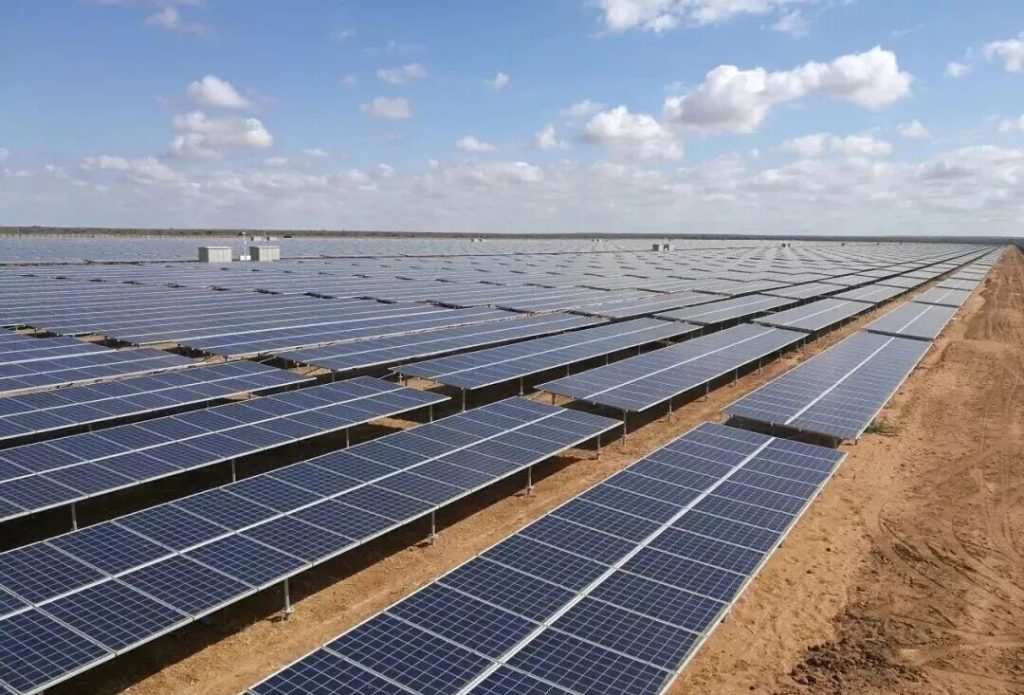
Chinese firms such as JinkoSolar, Trina Solar and LONGi are global leaders in photovoltaic technology. In Garissa County, eastern Kenya, the Chinese-built Garissa solar power plant — the largest in East Africa, with a capacity of 54.66 MW — supplies electricity to 70,000 households (more than 380,000 people). The plant’s advanced PV technology ensures efficient and stable operation, alleviating local power shortages.
- Cost competitiveness.
China boasts the world’s most complete solar supply chain, offering one‑stop products from panels and inverters to storage batteries. Chinese solar modules are 20–30% cheaper than European or American brands, better matching Kenyan consumers’ price sensitivity. This cost edge helps low-income households — especially in rural areas — afford solar home systems, accelerating the spread of solar power.
- Proven experience.
Chinese companies have built many large-scale solar projects at home and abroad, gaining extensive hands‑on expertise. Their products are well adapted to Kenya’s high altitude, strong winds and variable terrain, overcoming local geographic challenges to produce solar solutions that suit the country’s specific conditions.
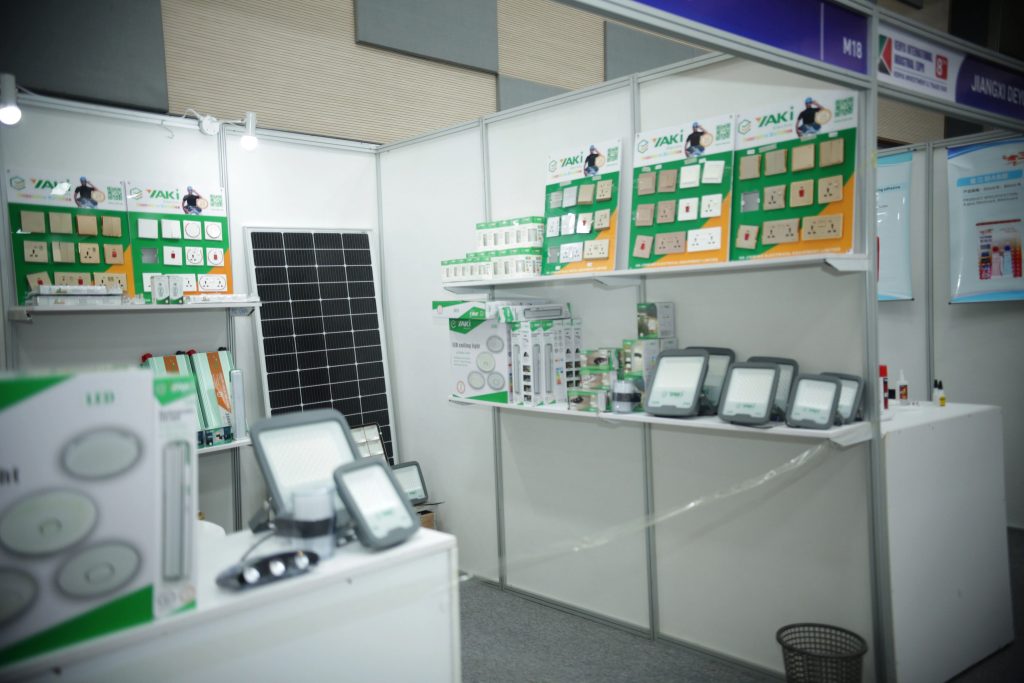
Kenya has abundant sunshine; China has high-quality, affordable products. As their cooperation in the solar market deepens, Kenya’s solar sector is set to flourish, and Chinese firms will reap the rewards — a true win‑win.