

As one of East Africa’s largest economies, Kenya has experienced steady economic growth in recent years. Known as the “Gateway to Africa,” Kenya is currently experiencing a boom in infrastructure development! At the same time, the latest research indicates that the local market has a $3.7 billion gap in small commodities, with demand for building materials growing by 23% annually! The price advantage and reputation for quality of “Made in China” products are creating a “new Yiwu miracle” in this fertile East African land.

I. Overview of the Kenyan Market
1. Economic Growth and Market Demand
(1.) Stable GDP Growth: Kenya’s GDP growth rate has remained around 5% in recent years, making it one of the most dynamic economies in East Africa.
(2.) Accelerating Urbanization: The rapid development of cities such as the capital Nairobi and Mombasa has driven a surge in demand for building materials, home furnishings, and other goods.
(3.) Upgrading Consumption: As the middle class expands, demand for small commodities (daily necessities, electronics, clothing, etc.) continues to grow.
2. Favorable Policies
(1.) Close China-Kenya Cooperation: Kenya is a key participant in the Belt and Road Initiative, and Chinese enterprises investing in infrastructure and trade in Kenya enjoy policy support.
(2.) Tariff Preferences: As a member of the East African Community (EAC), Kenya offers low tariffs or duty-free treatment on certain imported goods.
II. Core Competitive Advantages of Chinese Enterprises Exporting to Kenya
1. Advantages in Small Commodity Exports
The Kenyan small commodity market is characterized by price sensitivity and product diversity. Chinese enterprises possess competitive advantages in the following areas:
(1.) Cost Advantage: China’s mature manufacturing supply chain enables highly competitive pricing for small commodities (such as daily necessities, stationery, and small appliances).
(2.) Comprehensive Product Range: From Yiwu’s small commodities to Shenzhen’s electronics, China can supply the full range of goods required by the Kenyan market.
(3.) Rise of E-commerce Channels: The emergence of e-commerce platforms such as Jumia (Africa’s “Amazon”) has opened new sales channels for Chinese small commodities.

Popular Small Commodity Categories:
a. Household Goods (plastic products, kitchenware);
b. Electronics (mobile phone accessories, power banks);
c. Apparel and Footwear (wigs, secondhand clothing).
2. Advantages of Industrial and Construction Materials Exports
Kenya is vigorously advancing infrastructure development (roads, railways, real estate), presenting significant opportunities for Chinese building materials companies:
(1.) Mature Technology: Chinese building materials (steel, cement, aluminum profiles, glass) are of consistent quality and meet international standards.
(2.) Price Competitiveness: Compared to products from Europe and the United States, Chinese building materials offer better value for money and are better suited to the needs of the Kenyan market.
(3.)Localized Partnerships: Many Chinese companies have already established factories in Kenya (e.g., ceramics, steel structures), reducing logistics costs and improving supply efficiency.
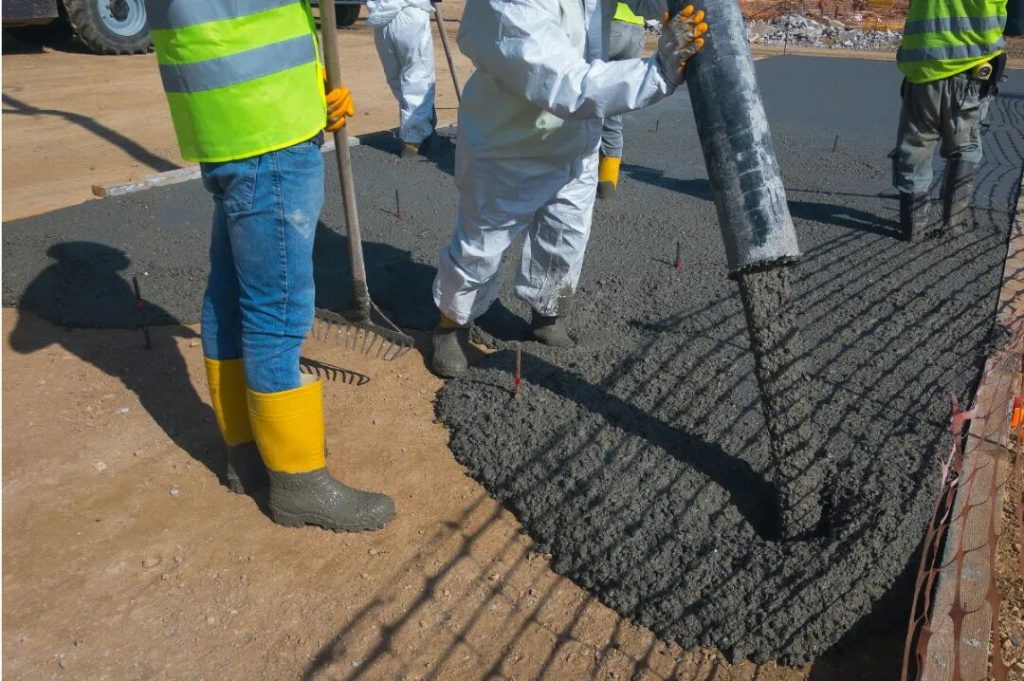
Popular Building Materials Categories:
a. Steel and Aluminum;
b. Architectural Ceramics (Tiles, Bathroom Fixtures);
c. Cement and Cement Products;
d. Doors, Windows, and Hardware.
The Kenyan market is full of opportunities, particularly in the small commodities and industrial building materials sectors. Leveraging their supply chain advantages, cost-effective products, and policy support, Chinese enterprises are securing leading positions and seizing the initiative.