

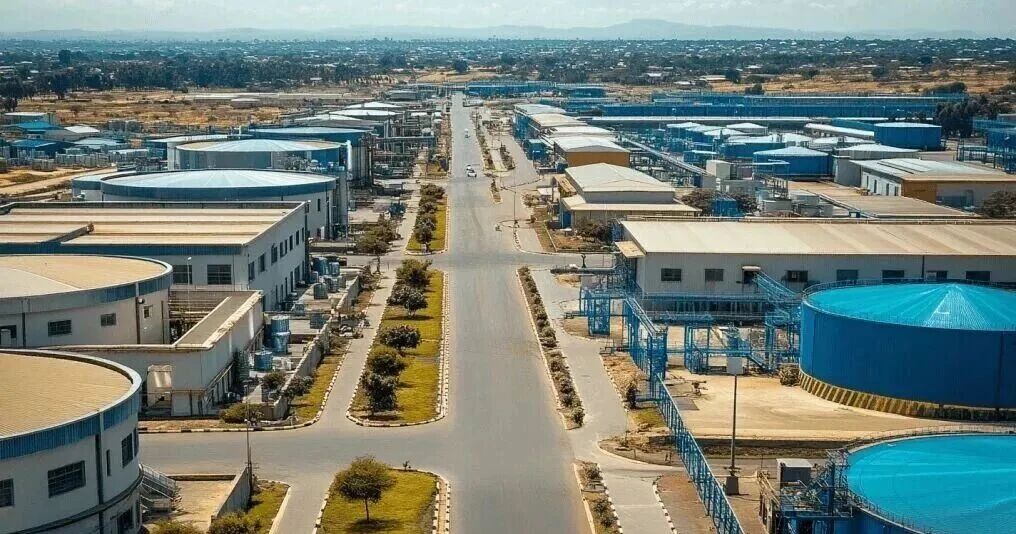
Kenya is positioning itself as a major manufacturing hub in Africa. A new $3 billion investment is expected to accelerate industrial development, create jobs, and strengthen the country’s role in global supply chains. The investment, led by Arise Integrated Industrial Platforms — a key player in Kenya’s textile sector — will be channeled into a series of industrial and export-oriented parks over the next five years.

Nairobi, Kenya
The move aligns with Kenya’s broader strategy to upgrade its manufacturing base and attract global companies looking to relocate production. Against a backdrop of shifting global supply chains, more businesses are seeking manufacturing sites beyond traditional markets, and Kenya is emerging as an attractive option.
Industrial Parks: From Infrastructure to Industrial Ecosystems
According to the project lead, the plan will involve companies from more than 14 countries, underscoring its international scale. The initiative’s core lies in its “platform” approach: the firm itself will provide 30–40 percent of the investment, using shared infrastructure and logistics support to lower entry barriers for businesses while improving industrial organisation. This will allow manufacturing activities to reach scale in a shorter time. For Kenya, this is not just an inflow of capital but a systemic investment in value addition, export growth, and job creation.
Capital and Collaboration: A Multi‑Party Industrial Endeavour
The project’s progress depends on broad collaboration. Partner institutions not only provide financial backing but also bring experience in implementing large‑scale industrial projects across Africa, giving the initiative practical viability. In addition, an $800 million financing facility will be set up with KCB Group and Afreximbank to specifically support companies operating within the parks. This arrangement will lower investment thresholds for businesses and accelerate project rollout.

Manufacturing Opportunities: From Textiles to Emerging Sectors
Kenya’s appeal stems from a combination of factors: gradually improving infrastructure, better access to regional markets, and a rising level of workforce skills. Through the East African Community market and increasingly efficient logistics networks, Kenya is well‑placed to serve not only local demand but also regional and international markets.
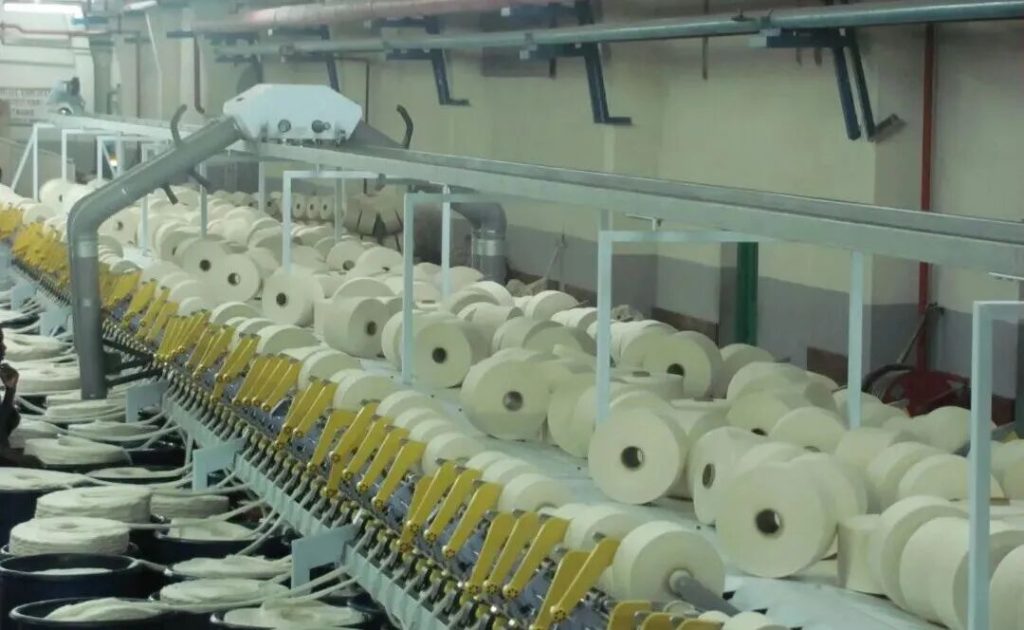
At the industrial level, the project could trigger ripple effects. Entire value chains — from raw materials to finished goods — stand to be activated. Textiles, mineral processing, and electric‑vehicle components are expected to be among the main beneficiaries.
The $3 billion is more than a sum of capital; it is a signal. Africa is becoming a consequential variable in global industrial layouts, and manufacturing will be at the heart of that transformation.